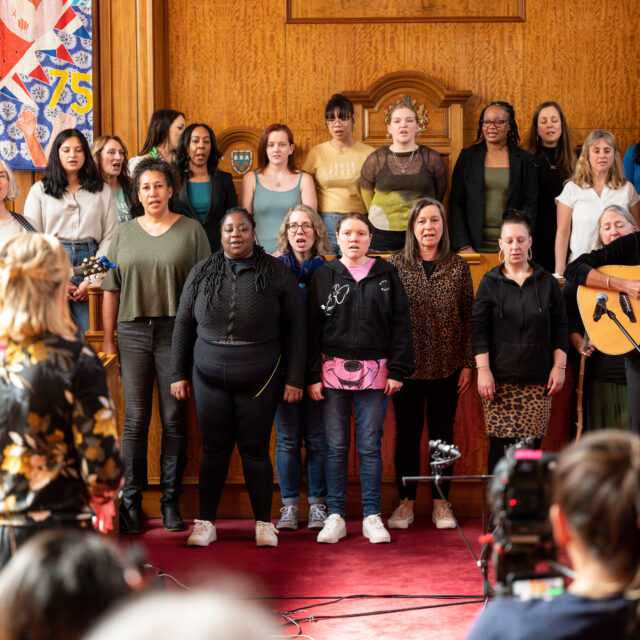
this messy song is ours
From Radio Ballads: Songs for Change, poet, writer, clinical psychologist and educator Sanah Ahsan tunes into the frequencies of grief, care, and collective song.
Radio (n): an apparatus for receiving,
tune into the bodies’ frequency, transmission of waves,
we (an) experiment in attunement
Ballad (v): ‘balar’ as in to dance,
denote the light, narrate a thicker story,
the sound is
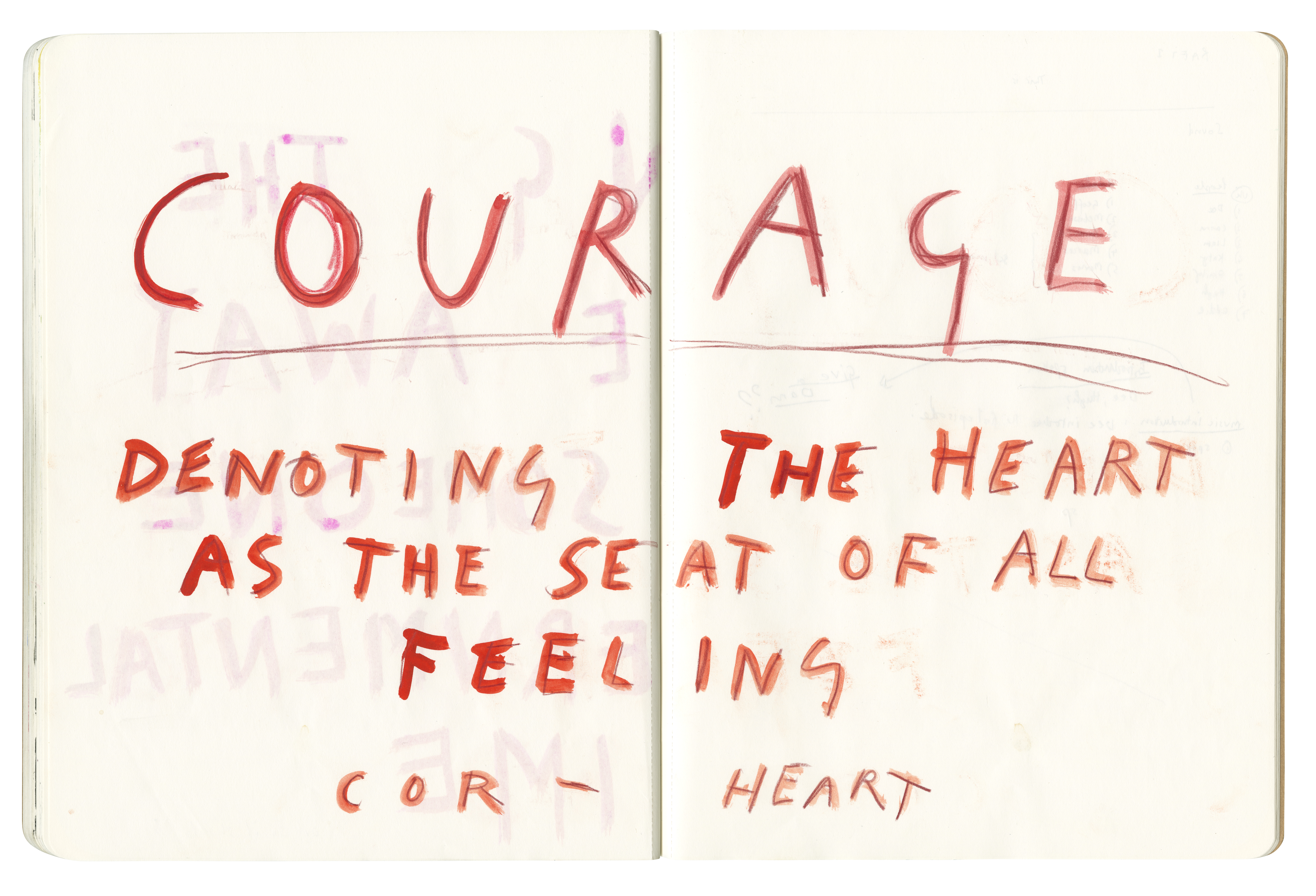
Grief is narrowing my throat again. It etches a doorway to this sticky moment, rendering me here and now. There is no other place to inhabit than this tight passage. This hot breath. Acknowledge the ache. The ache is a persistent visitor these days. I let myself feel the fullness of not-wanting their company, and breathe again. This necessary and seasonal guest is turning me inside-out. Their love; both rough and readying. It is here I begin the Radio Ballads pilgrimage.
We are living through times of deep despair and cultural lovelessness, what bell hooks might term, the effects of white-supremacist-imperialist-capitalist-patriarchy. Since the pandemic, black and global majority women are at increasing risk of being murdered by someone they love. Intimate violences — the ways we hurt and harm each other – thrive under conditions of poverty, oppression, neglect and state violence. Houselessness is higher than it’s ever been in the UK. The numbers of people wanting to die, and dying by suicide, are astronomically rising amidst the cost-of-living crisis. The earth, our mother, is feverous on her death-bed, whilst we fill her oceanic belly with 8 million tons of plastic bags a year. Perhaps most devastatingly, we are witnessing the escalating genocide of our Palestinian siblings, whilst the British government justify and uphold Israel’s 75 year project of mass murder and land-theft. Helen Cammock aptly describes it as the clam of dissociation, when oppressive structures have suffocated us so much, we lose our breath. I breathe in, to the count of
f o u r
State-induced suffering, is commonly and erroneously being labelled a “mental health crisis.” Services place the problem within individuals; pathologising and individualising human pain, whilst doing nothing to address the root causes of oppression.
Assess.
Diagnose.
Discharge —
these robotic processes uphold the status quo, and keep us terrified of feeling. Our emotions are perceived as dangerous or “mental illnesses,” by a society intolerant to prolonged expressions of grief. Black and muslim people are particularly at risk of having rage or hurt pathologised and criminalised, whilst whiteness maintains its innocence. Many of us dissociate from our skin-suits as an understandable means of survival, attempting to prove ourselves as non-threatening or “good.” One way to reinhabit our bodies, is tuning into their tingling textures, singing sensations, and pulsating needs. Giving ourselves the gift of embodied feeling is a medicinal, freeing practice of self-authorisation, especially when our bodies have been sites of structural harm. In becoming more messily human, we resist conditions that seek to dehumanise. I feel the heat in my wobbly mouth. Rage wants to wail, so I let her. The delicious mess of me—all that sinewy dignity.
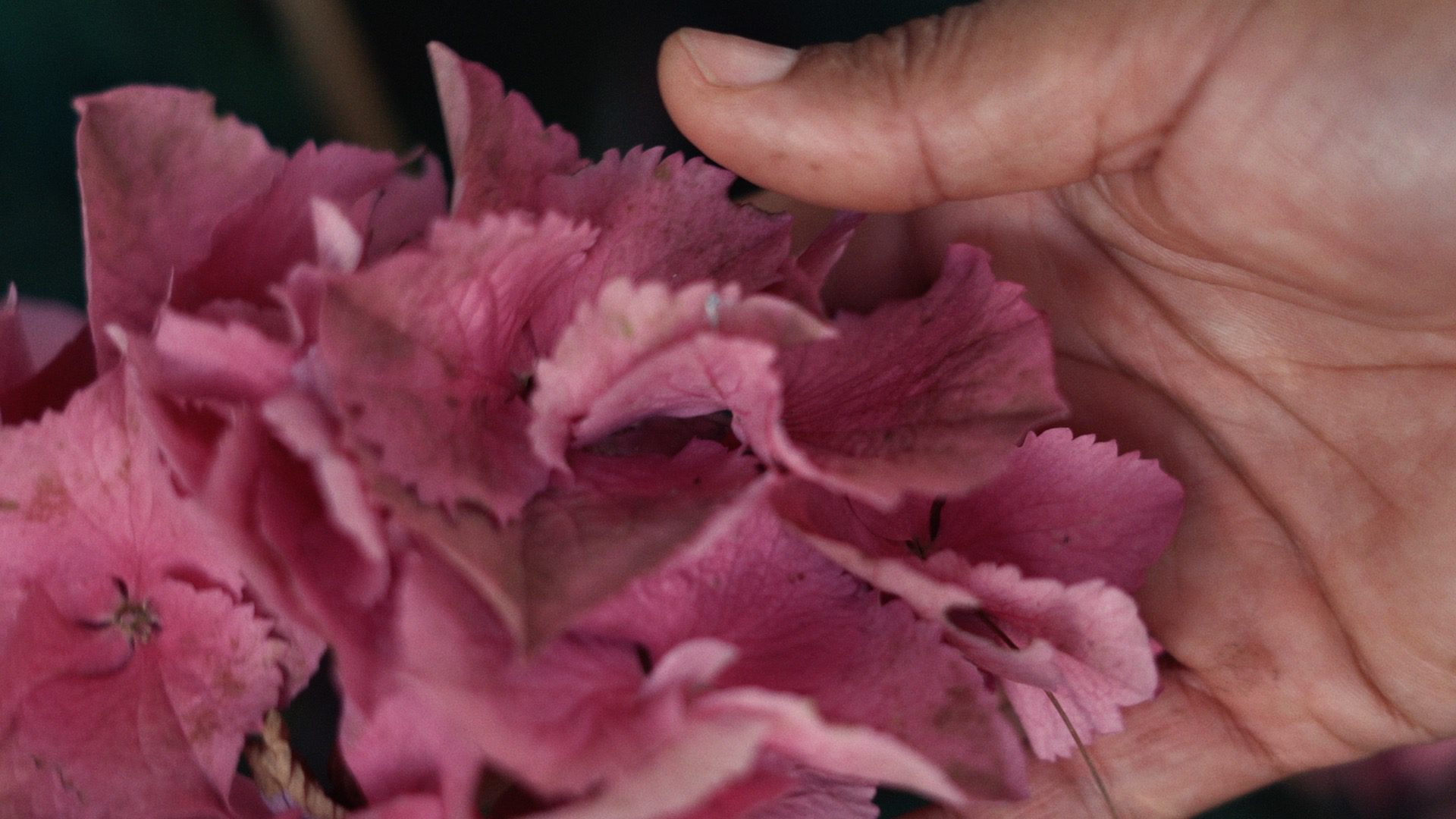
Boyce, Pilgrim, Sagar, Cammock and their collaborators have stitched sounds of liberation. I tune into the waves of those making pleasure, hurt, connection, chaos and disappointment amidst state violence—a paradoxical and bounteous landscape, just like freedom itself. These permission-giving frequencies help me tune into my own sighing and sensing body. Sorrow and joy are salsa partners here, limbs intertwined, taking turns to lead, sweating their rhythm over my flesh. These Radio Ballads reveal the entangled nature of our (ancestral) wounds, within a wounding world. Inspired by brother Bayo Akomolafe, I reimagine the wound as a site of play and discovery; a creation event; a divine opening to other possibilities. I peek through the stinky
crack.
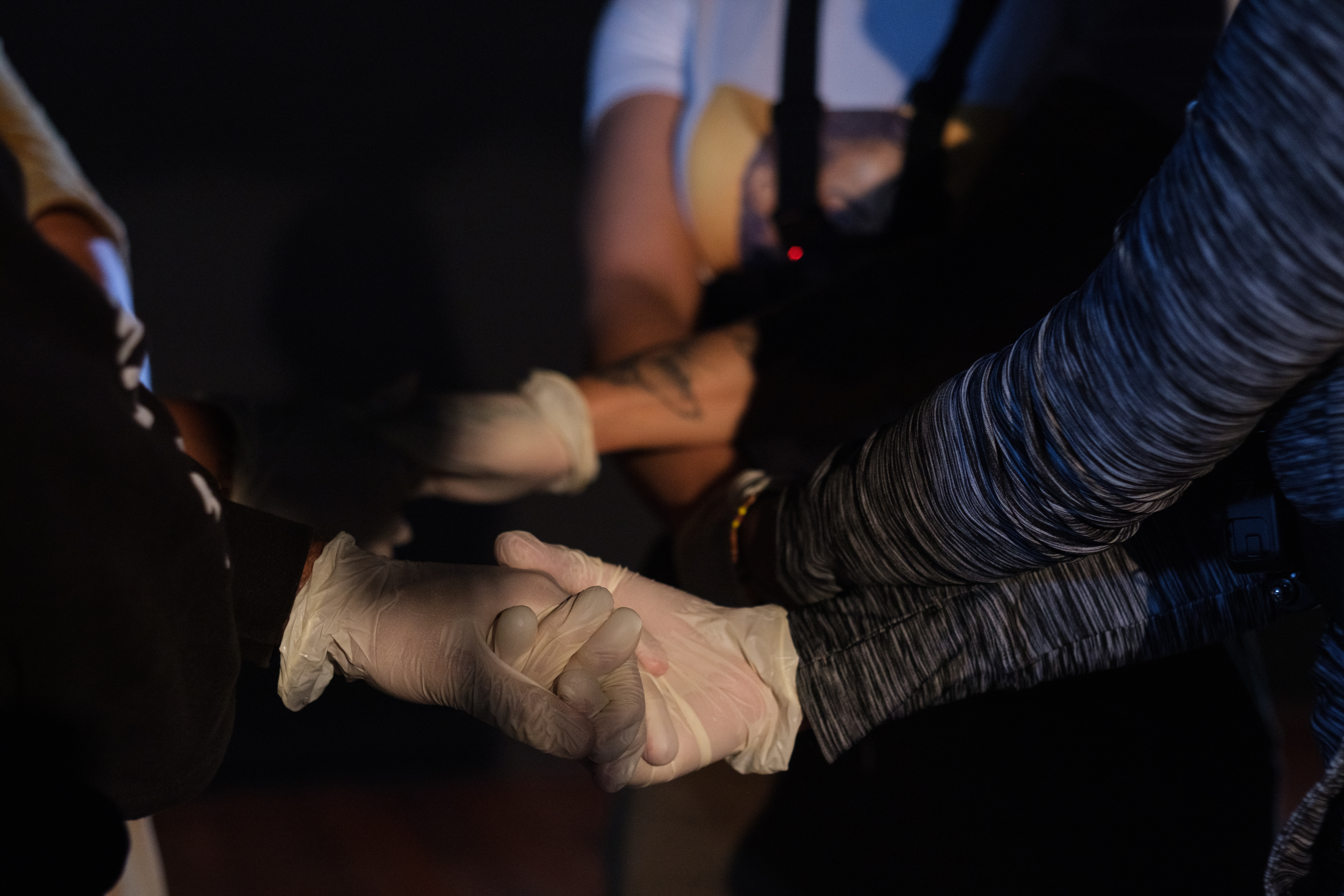
When feelings are feral and unsightly, it is hard to stay close. Perhaps it reeks of familiarity. Perhaps there is terror in catching an-other’s despair. Blue latex gloves can’t protect us from emotional contamination. Hyper-vigilance may be an attempt to keep us safe, but it is not effective at discerning discomfort from unsafety. What remains clear, is that fear keeps us from attending to each other’s pain adequately, and makes us more likely to cause injury. We will almost certainly hurt each other. Yet, in the face of this hurt, we so-often make monsters out of mirrors, and repeat cycles we’ve been victim to — blame, shame, punishment and exile. How do we dismantle the systems of domination that have made their way into our pores? How might we steward practices of whiteness, like hierarchy or perfectionism, to death — when they breathe beneath brown skin?
I am becoming less answer, more
question. Even when the inquiry is ugly.
These grotesque, terrible parts, are also begging for humble apprenticeship. We are called to love that which is not interested in loving us. To believe in the possibilities of more.
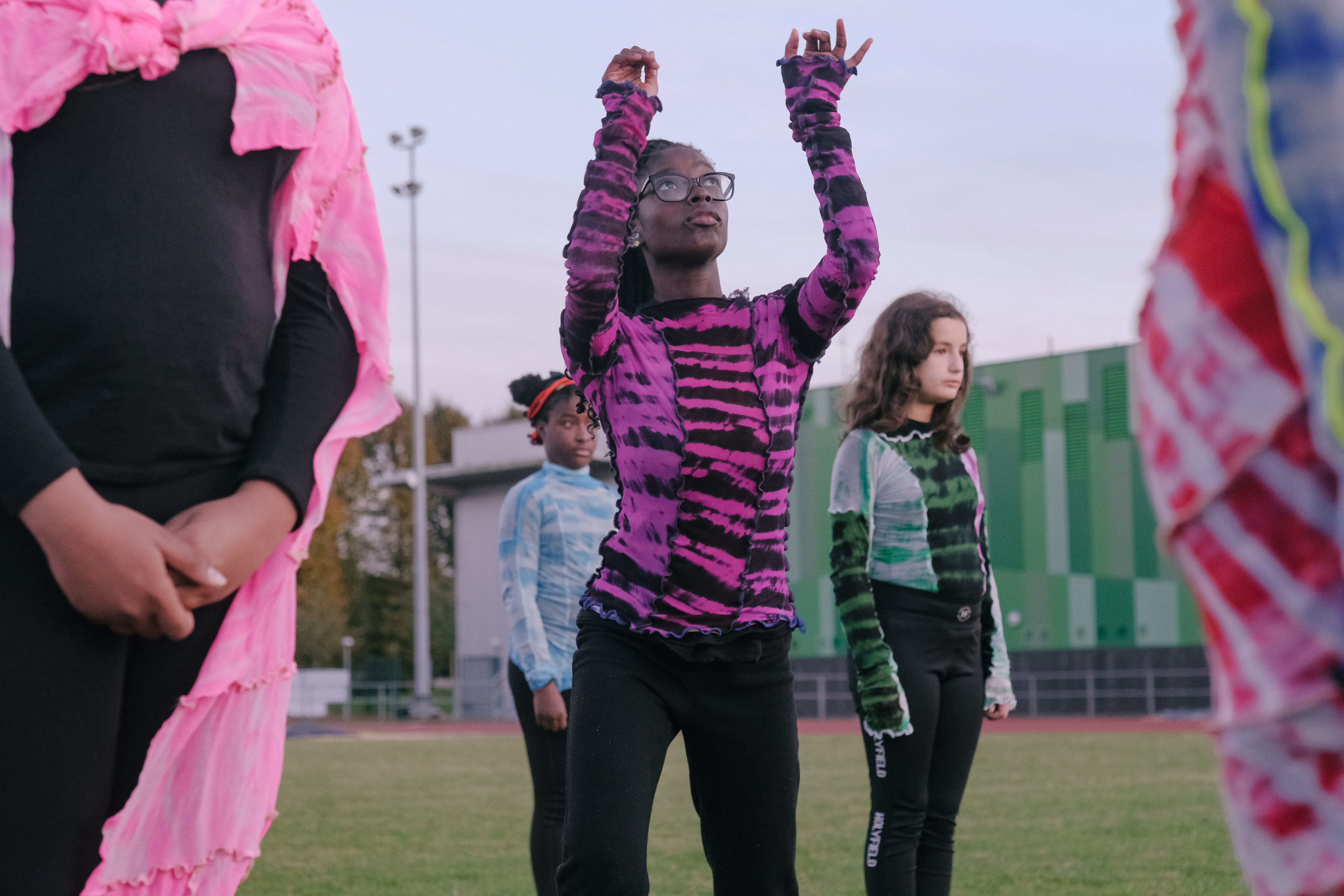
More. More life. More love. More means holding each other lightly, in ways that radically accept our shattered-hearts. But, again, the cultural pathologisation of pain can divert us towards the tyrannies of wellness, quick-fixes or individualised “treatment.” Madness and misery kept out of sight, behind hospital walls. As a psychologist, I have learnt that tender accompaniment with the seemingly unsightly is more meaningful than the fallacy of cure. But even so-called professionals are constricted in their holding. Care-workers instructed to prevent emotional leakage, conceal remnants of grief, keep pain hidden and be a productive worker. Our value is determined by usefulness and labour; and the insistence to ‘keep calm and carry on’. But freedom is a disordering: one of keeping chaos, of fucking stopping, midday naps, making noise of misery, two-stepping with grief and basking in failure.
Drippy feelings everywhere. Holy hurt—pour down on us.
According to Francis Weller, approaching our pain with reverence, is to welcome the exiled parts of ourselves back home. Pain rearranges us. By weeping together, a collective alchemy occurs. This embodied ritual of renewal, honours what is lost, and deepens our capacity for compassion. We learn to hold with tenderness, recognising our suffering as a sacred offering, rather than evidence of worthlessness. Slowly but surely, we are less frightened by the tear in another’s sense of belonging, because we have spent enough time hanging out with our own.
Asking for help in this work is audacious, as it disturbs the idea of the neoliberal individual endeavour, and is a devotional appreciation of our interconnectedness.
Speaking on interconnectedness, Lizzie Graham states that intimacy is deepened through accompanying both what we know, and can never know of each other. We are called to stay together in unknown trouble, without flattening our aliveness with solutions. Let me be clear, this is by no means a romanticisation of suffering. Suffering is not the only way we connect to each other’s humanity, particularly as racial hierarchies obfuscate who gets to be humanised through suffering. The full spectrum of our aliveness is begging to be felt; including joy, rage, pleasure and resistance too. In the face of genocide and state violence, collective action is not only vital in alleviating suffering, but in keeping us alive. But, only through acknowledging our hurt, can we develop the freedom and agency required to do the work of social change with clarity. Through this feeling process, we cultivate space to make decisions rooted in embodied choicefulness. We are less lived by our past wounds, though kind carriers of their aching sound.
Such kindness can sometimes feel impossible to access. Especially when loneliness feels like a penance, as some evidence of inherent unlovability. I visit the basement of my throat, find the doorway to my mother’s, her mother’s, ex-lover’s, my wrong-doers—a centipede of vibrating, interconnected throats. I allow awe to arise; watching my anatomy’s astonishing capacity to hold, however enormous the feeling. I follow the breath’s instructions: take in and let go. Let quiet seep in, silence huddling around my organs. In wordlessness, I become the body’s language—a churning belly,
a weighty heart—are you listening?
The body is a wise compass, helping us discern who to trust with the defenceless exposure of our guts. Private, and more intimate disclosures of pain, too have their place amidst social media cultures of surveillance and scrutiny. When we take the risk of relationality, and are met with lovelessness, it is an experience akin to annihilation. Such rejection often has little to do with us. Though it is tempting to brand someone who disappoints us a villain or narcissist, we might instead recognise the suffering (and disconnection from suffering), beneath any negation of life. We cannot manoeuvre anyone towards freedom, all we can do is tend to our own injury, and give the work back to those who need to do it. Hurt instructs us to reposition ourselves. I change where I’m stood. Love might stand in the hollowed tummy of an oak tree. Sometimes, love is a prayerful distance.
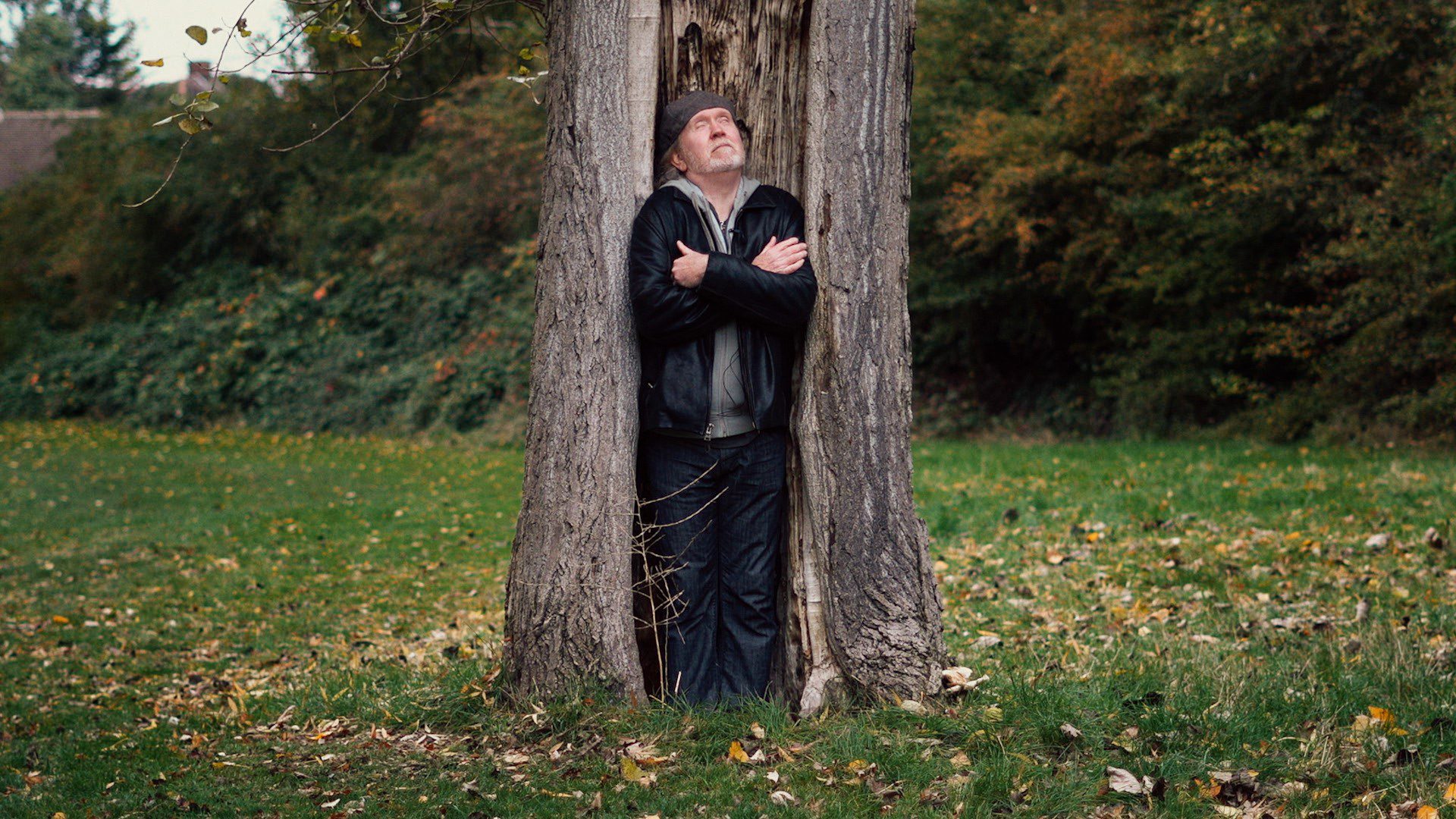
Under the pile of society’s false stories; lies of us being inadequate, dangerous, less than—we can always rediscover the divine geography of our bodies. Everyone is a piece of the continent. I pencil a new map. Yet another rearrangement. This work unlatches the door to our own creativity and playfulness, which in-turn means, opening to our mischievous creator. My genderless body, a soft-bellied creation, arranges itself between different postures on (and off) the prayer mat. In sujood, I kneel into surrender—my heart makes a rising sun, mind pressed to the earth. Belief and unbelief are both my companions as the prayer mat forms a raft—sailing me towards an unknown, larger than myself. The inimitable writer Priya Jay, speaks of grief as a shape-shifter: an undoing, doing up, redoing. To travel with grief is therefore an unending adventure. Surrender is our holy mast. How terrifyingly freeing it is, to recognise we are largely out of control. I relinquish the dream of arrival. Healing is not a destination waiting on shore. As I deepen attention to this ungovernable moment, I am practising one posture of healing. I revel in the
lost place.
All that directionless delight.
This embrace of precarity is antithetical to a capitalist culture obsessed with direction, certainty and production. Dionne Brand teaches us that “precarity is an unchanging factor in the social state of being.” It is amidst social precarity that the raft carries us over urgent crossings. Rory Pilgrim describes the raft as an ultimate preserver of life. Any life-affirming infrastructure must be assembled with resources to help us move. These might be UBI, access to safe and affordable housing, clean air, mutual aid, fellowship, land, and nature. Whatever our movement, it requires an appropriate response to the urgency of this moment. Movement building is inherently founded on both (e)motion and stillness, hiding and revelation, sound and silence. We are tethered to each other’s contradiction, riding each other’s beat. Enchantment is not in short supply. Abundance exists within and between ourselves—as Shira Hasan states, we are saving our own lives, in spite of—and against—systems of oppression. Rafts have been built before us, to ensure our movement. In building again, we are becoming ancestors conjuring a new rhythm. We float.
Refusing the lies of separateness sold to us by the state, we embark towards each other. This longing to belong drives a great deal of both injury and suffering. Noticing bestial shame, we still choose to offer our troublesome hearts. We experiment in a love never taught to us. Risk the possibility of sinking. Choose faith. Fall off. Choose faith again. Maybe god will keep us afloat this time. Sometimes god is a care worker, a sex worker, or a disappointing friend who can bear to listen to our wretchedness. John O Donohue reminds us that there is nothing outside of divinity. I worship the messiness of the divine; part-raft, part-sea, all them murky bits of we.
I re-read my words, troubled by the use of we. It exposes my loneliness, and longing for some assumed collective experience. Two-lettered relief. Christina Sharpe describes we, as a fragmented thing. We write we anyway, worshipping its complication. When Helen Cammock asks, what is it to be devoid of care? She too celebrates contradiction. These Radio Ballads reveal the possibilities of becoming care in those voids, living care amidst the carelessness. Two, perhaps paradoxical teachings are re-awakened in me—Mariame Kaba’s “hope is a discipline” and Pema Chodron’s “abandon hope.” Hope is both a strategic and necessary tool in crafting new worlds, whilst also a potential device of escaping the trouble of this moment. Hope and hopelessness are in conversation, just like care and carelessness. Both have fruits to feed us. To live, is to chew both sweetness and rot. We might even relish the unexpected flavour of in-between.
What these Radio Ballads make clear, is that care is a Russian doll. By which I mean, housed inside care are many bodies of practice. By which I mean, care is a mothering lineage. Alexis Pauline Gumbs describes m-othering as love-in-action, not a gendered identity. M-othering, as in no-such-thing as ‘other’ people’s children. Care is simple small acts of attention. Care is listening in your silence. Care is the colour green, that meets your eyes exactly where they are. Green; as in allowing nature’s slow and verdant growth, not forcing the rose’s bloom from concrete. Care is supporting you to become more you. Care is the lifeblood flowing through our relationships. Care is the antidote to violence. Just as our wounds are interconnected, so is our care. Care is a practice that we can, and must deploy everyday. We are what we practise. What we practise is what grows.
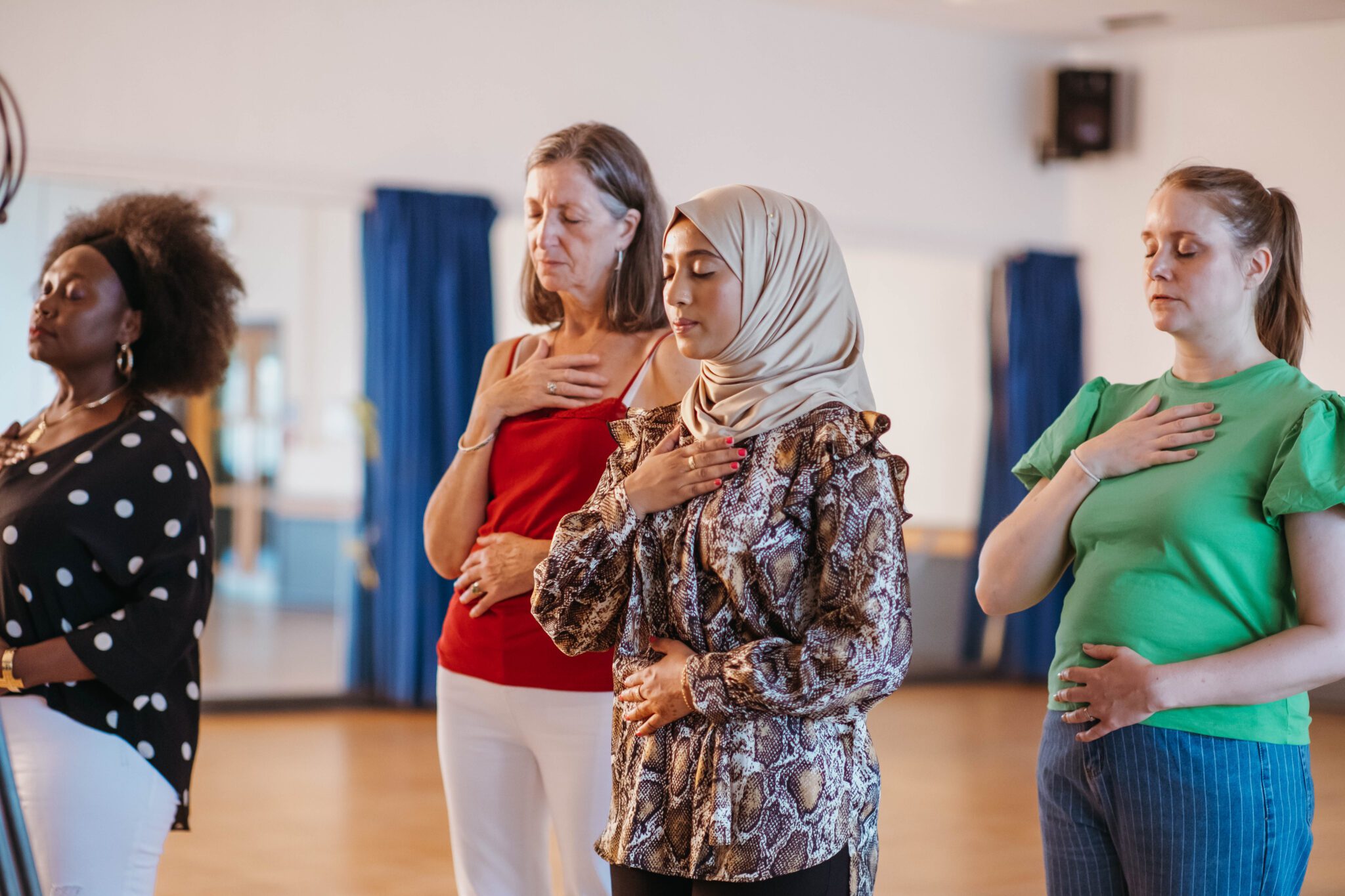
On the days where lack is loud, I think to myself, will I ever be resourced enough to give care? How do children of good immigrants give, from freedom, not guilt? Tuning into our own capacity to give is of course essential, but much self-care discourse is hyper-individualistic and self-serving. I am experimenting in care for me/us, sometimes burnt-out and frayed at the edges. I ask questions of these edges and listen in silence, trusting love is not a finite supply dished out in transactional or measurable doses. Prentis Hemphill says, boundaries are the distances in which I can love you and me, at the same time. Some days these edges are fortresses, offering more loneliness than safety. Other days, more porous and breathing.
Foluke Taylor once said to me, giving and receiving are two sides of the same coin. I think this means, by opening oneself to fully receive another’s time or care, we are giving. And in giving our forgiveness or generosity to another, connection is received. Sometimes the half-empty cup pours, and is flooded in return. The tyranny of I rests for a moment, We creates more space. Giving, becomes an expansion into the earth’s ether—stretching cells wide-open, light trickling in. The act of giving itself a replenishment. I notice the wind stroke my neck; an indiscriminate kindness. I am an antennae to nature’s song.
Amidst these radio ballads, I am most moved by the intergenerational incantation I hurt, I cry, I rise. It is a prayer for meeting what’s here. These lyrics capture life’s sacred repetition, the quotidian practices honed by the dispossessed, cyclical postures, the vicissitudes of ordinary life we endure, whilst—around me always skies. This sky-like-awareness which witnesses ungovernable weather, is often psychologically described as equanimity. Tonight, equanimity is a freedom dream we rehearse. In this dress rehearsal, I wear a 3-piece suit stitched in pink horizon.
you say you don’t feel like it / say you don’t feel it anymore / you say you’re quite different
from before
Silence remakes me. It trusts the clouds to shift shape.
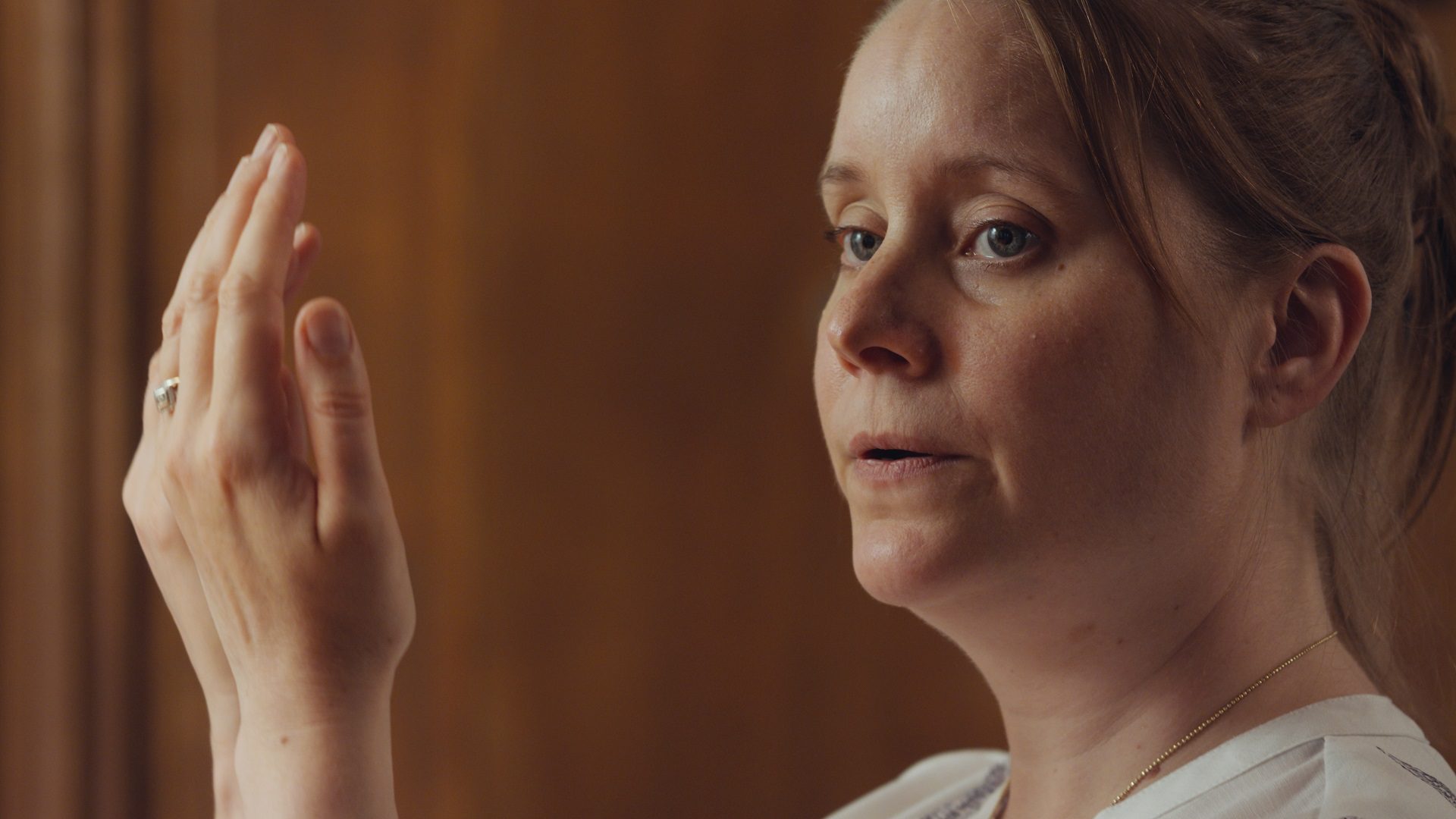
Who dreamt the clouds into being? Who imagined fluffy silver, rather than jelly green? Our social imagination is godly. Through quotidian orbits—sun circling sun, we are mapping new formations—splintering constellations of light. These remedial Radio Ballads by Boyce, Pilgrim, Sagar and Cammock, help me touch brighter possibilities. They help me reckon with Saidiya Hartman’s teaching; beauty as a method. To practise a beautiful life amidst all this structural violence, is to give ourselves our imagined futures, in this very moment. Here; we dream whilst we crack; resist whilst we rest; pleasure while we action, protest whilst raging; birth joy whilst circling grief.
Creativity is a container that can hold the enormity of our grief, whilst also a site to sketch new worlds. Through art, dance, and song we are invited to shift from being witness to the world, to a with-ness, tricking the frontiers between us. In these radio transmissions, we are both bounded and boundless. We become crackling sound, antennae ears, and the space in between. Our ballad is a place where we risk the revelation of voice, trusting sound forms its own resistance, paradoxes of belonging and unbelonging find harmony; basslines of I melt into a choral We. We are our ancestors’ melody, made and unmade. Festooned in joy and mourning, we keep jiving to each other’s frequencies. Unbridled voices soaring from lips. I cannot tell your messy freedom song from mine.
