troubleshooting...
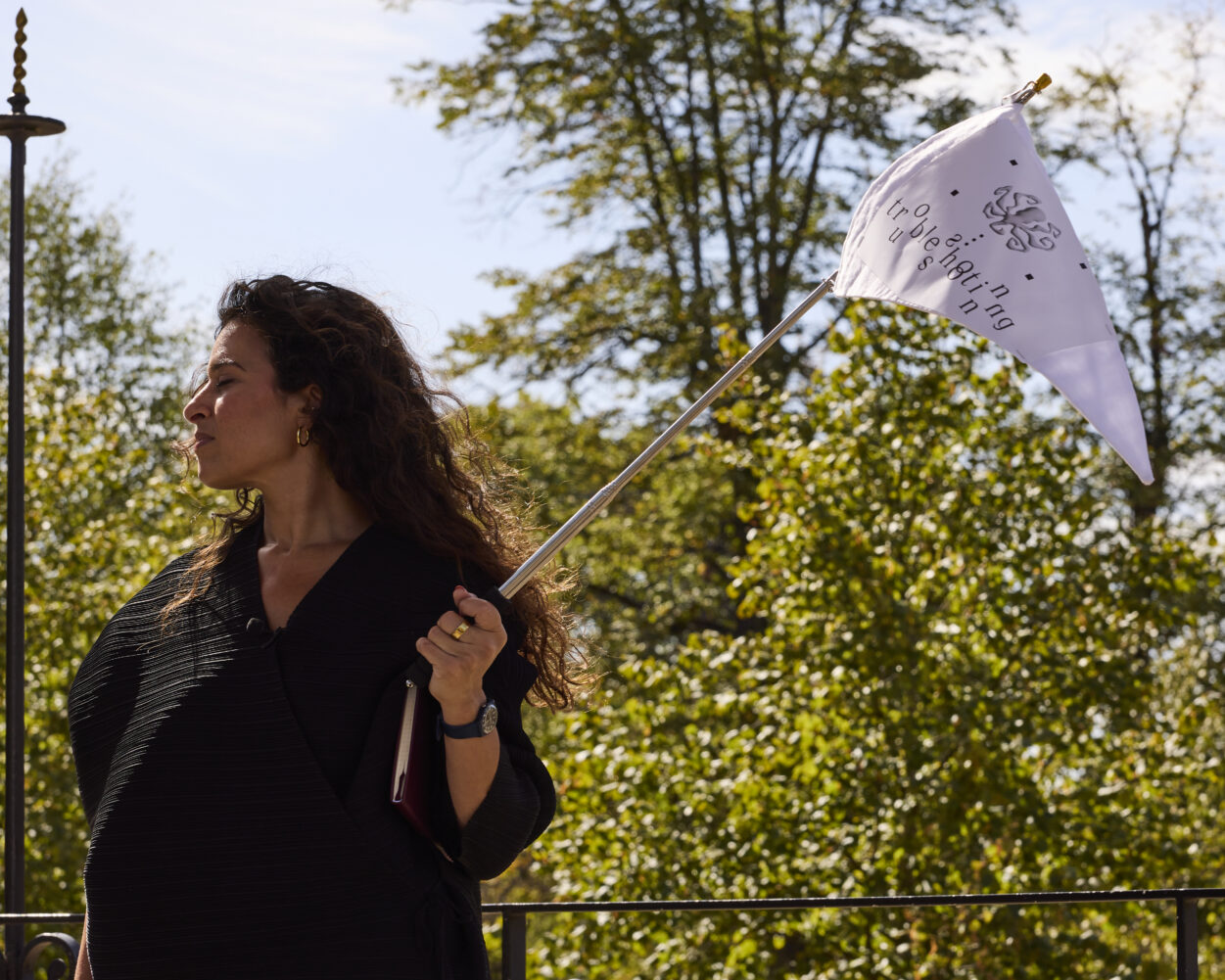
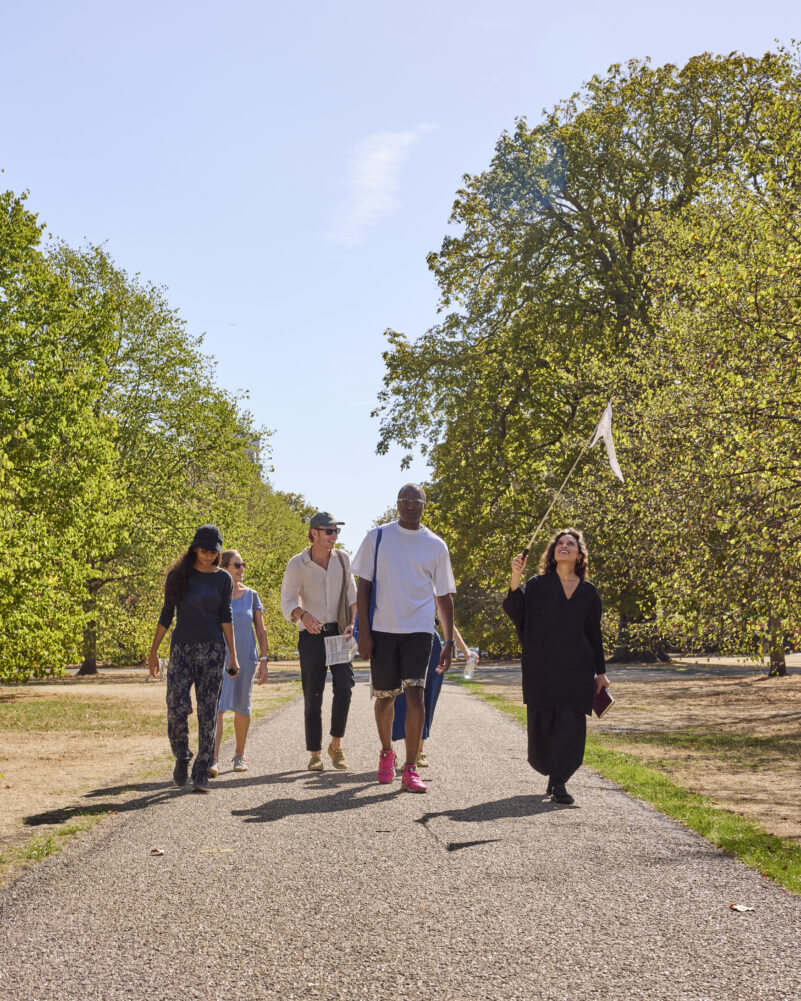
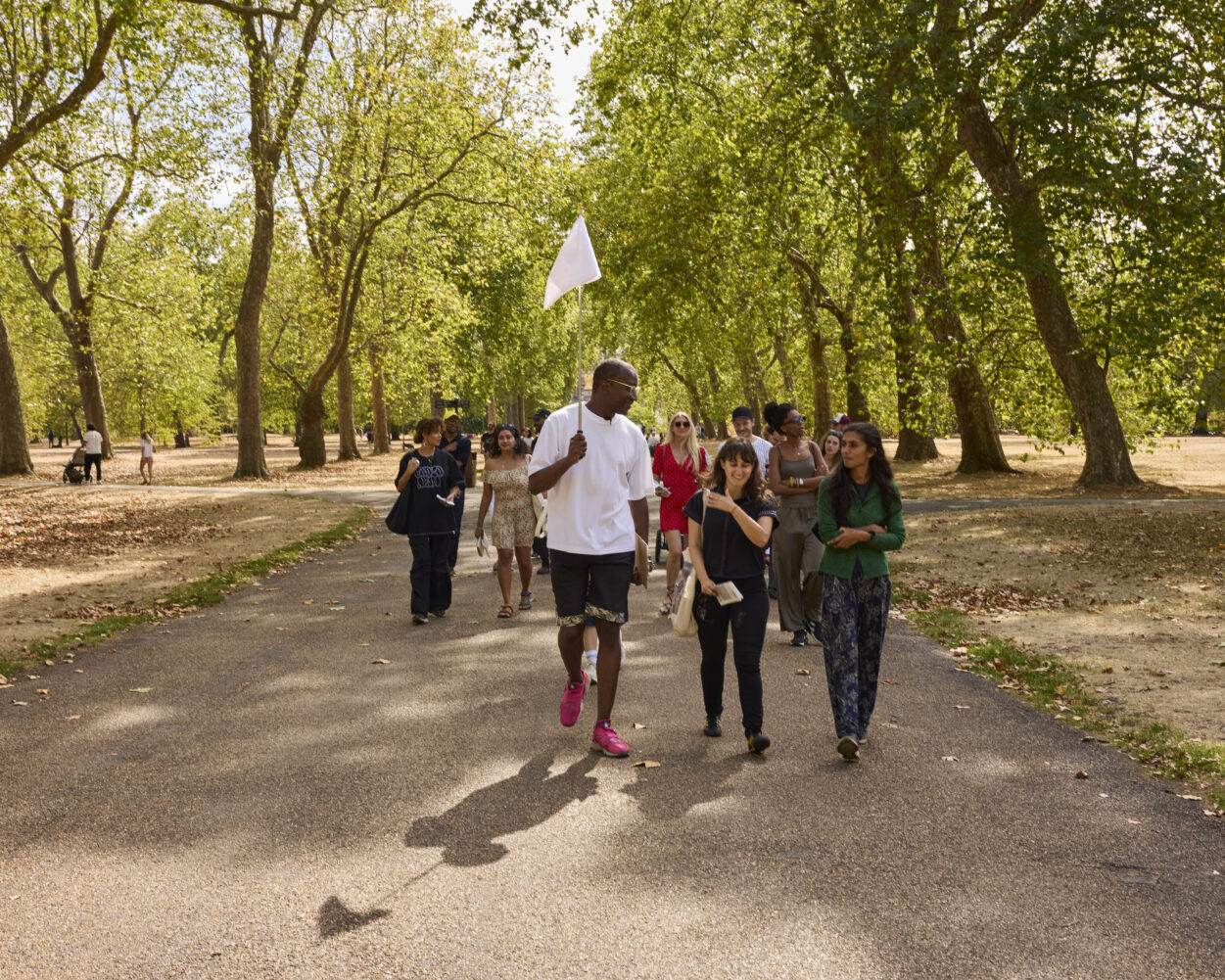
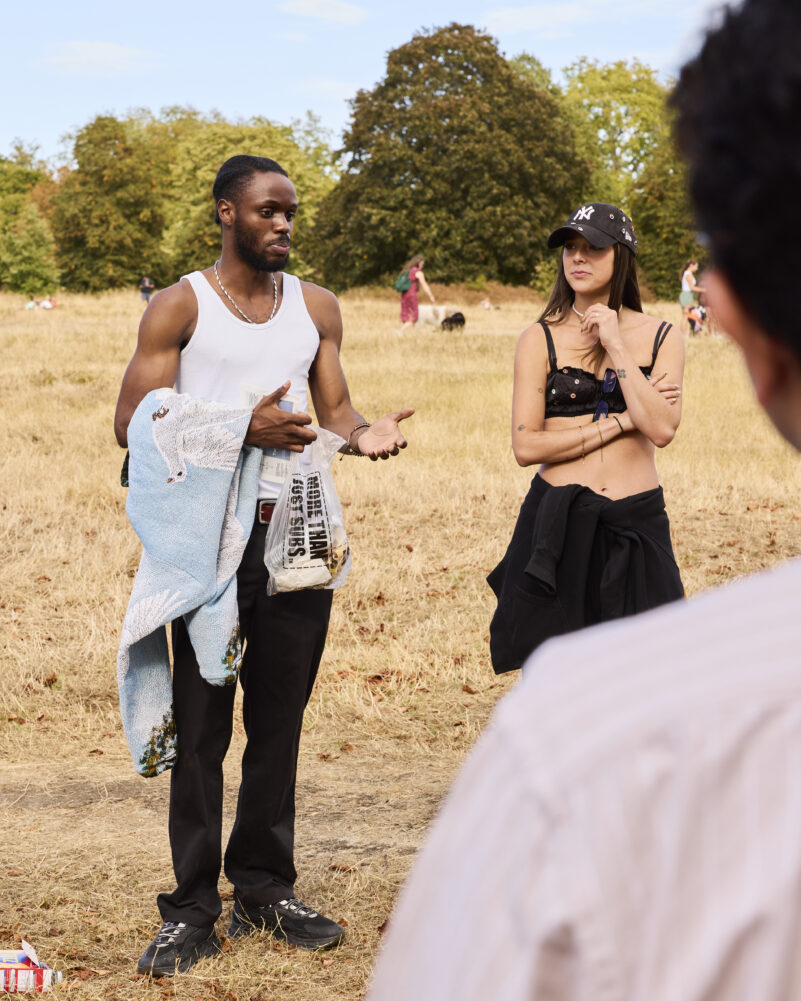
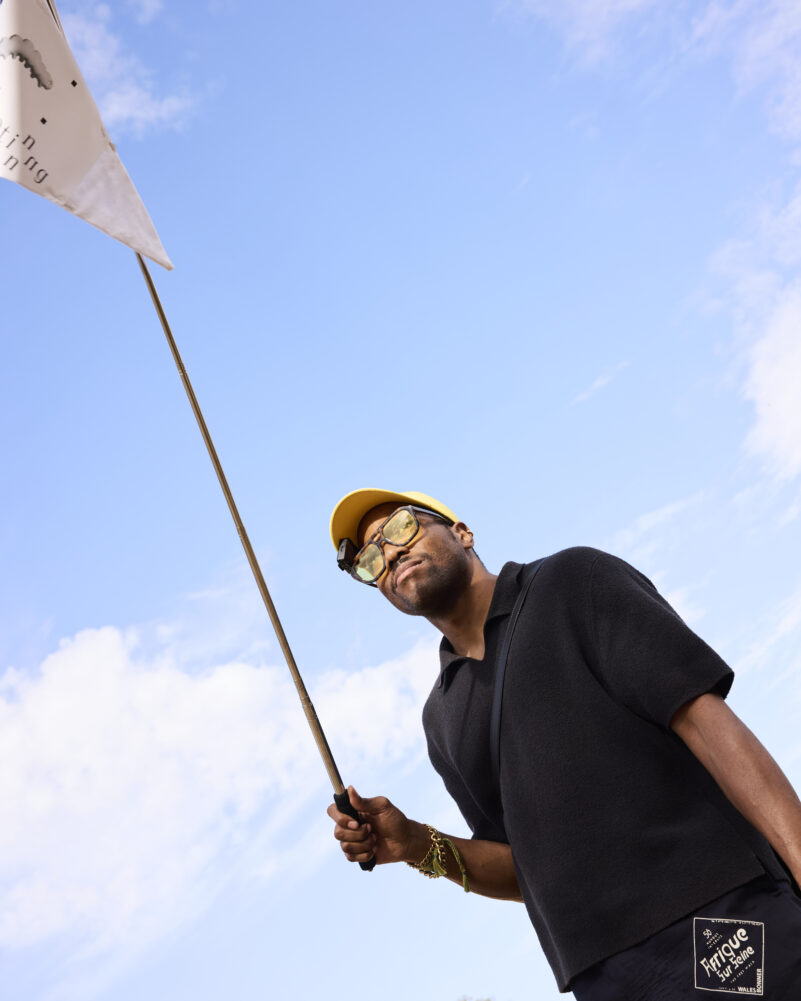
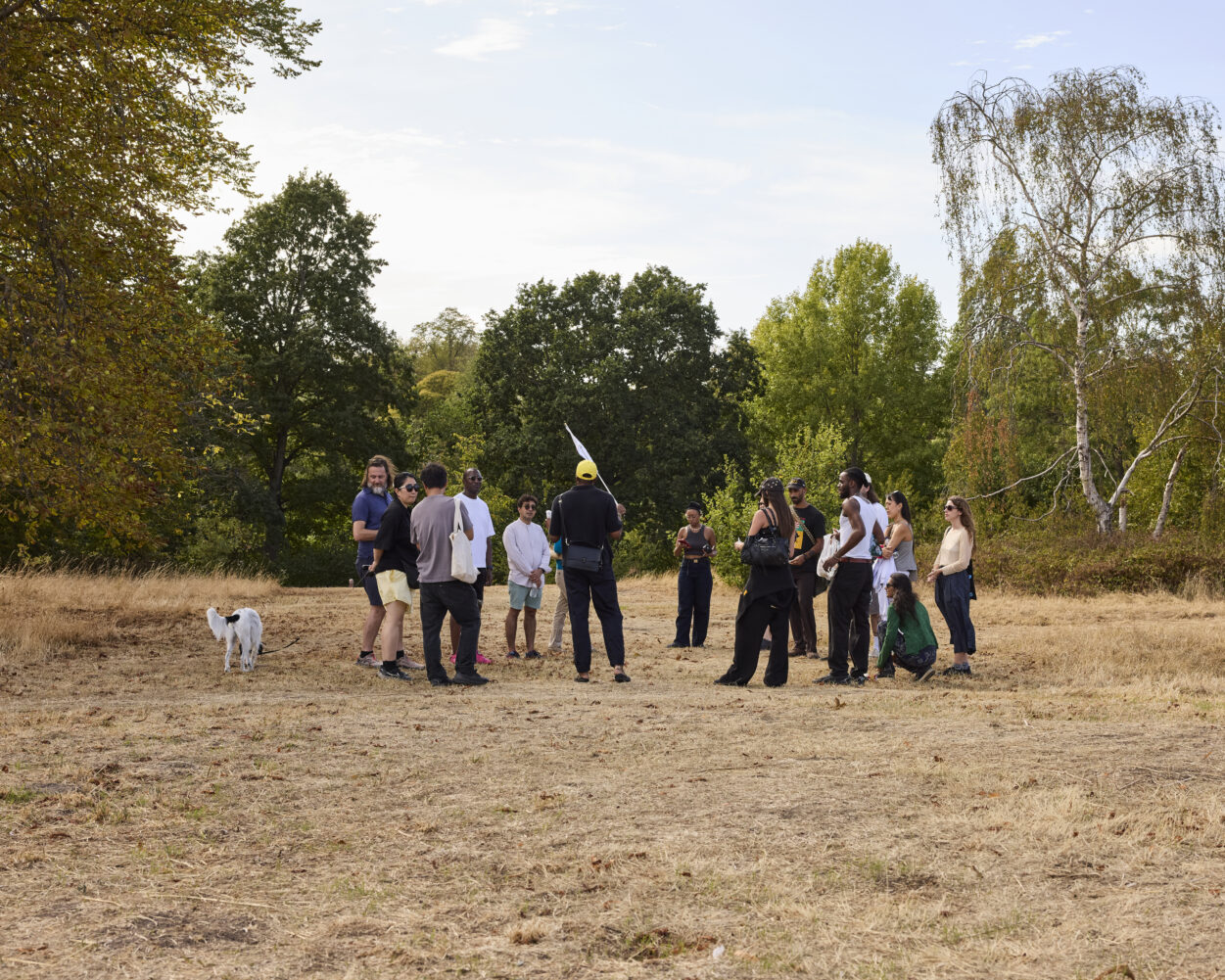
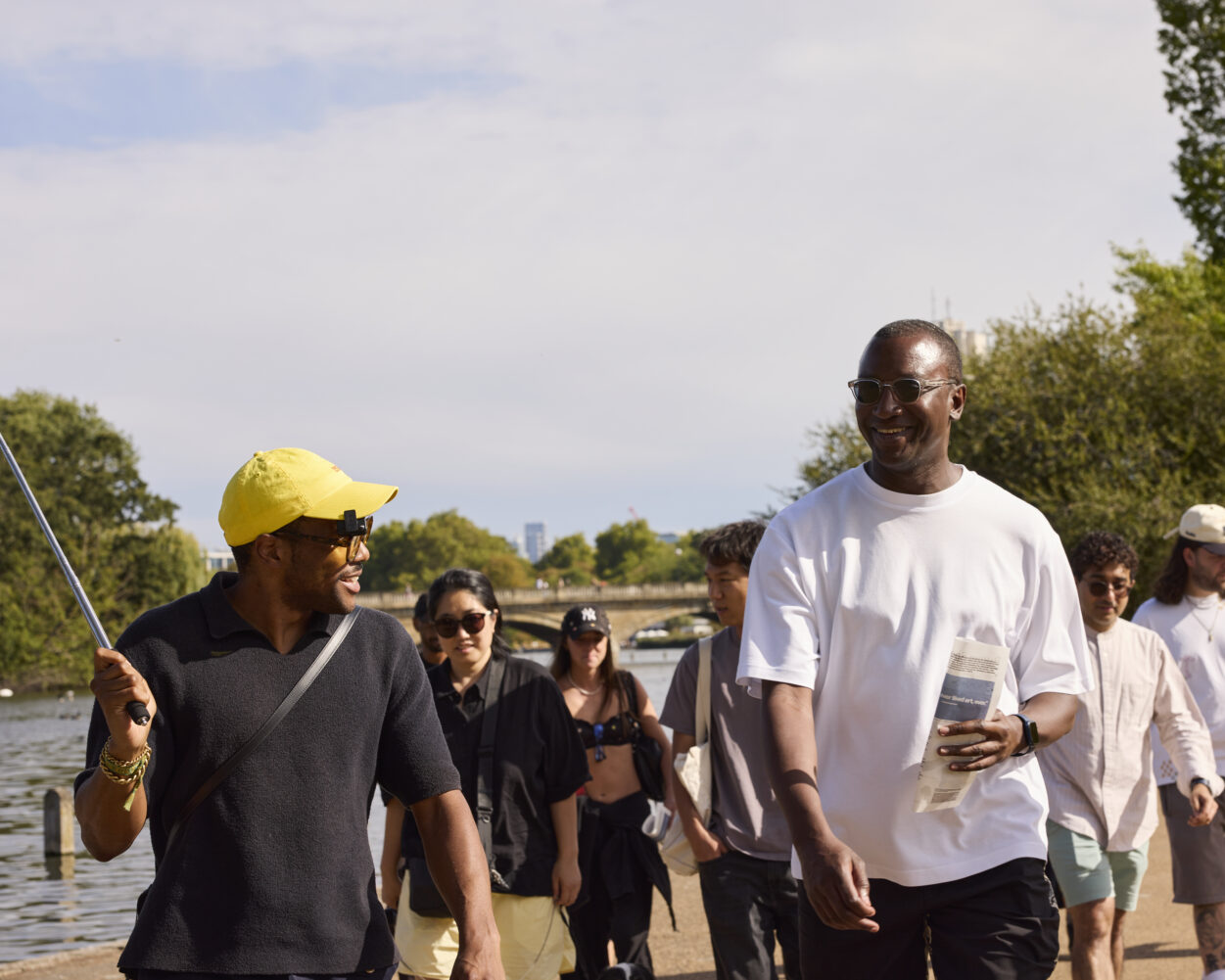
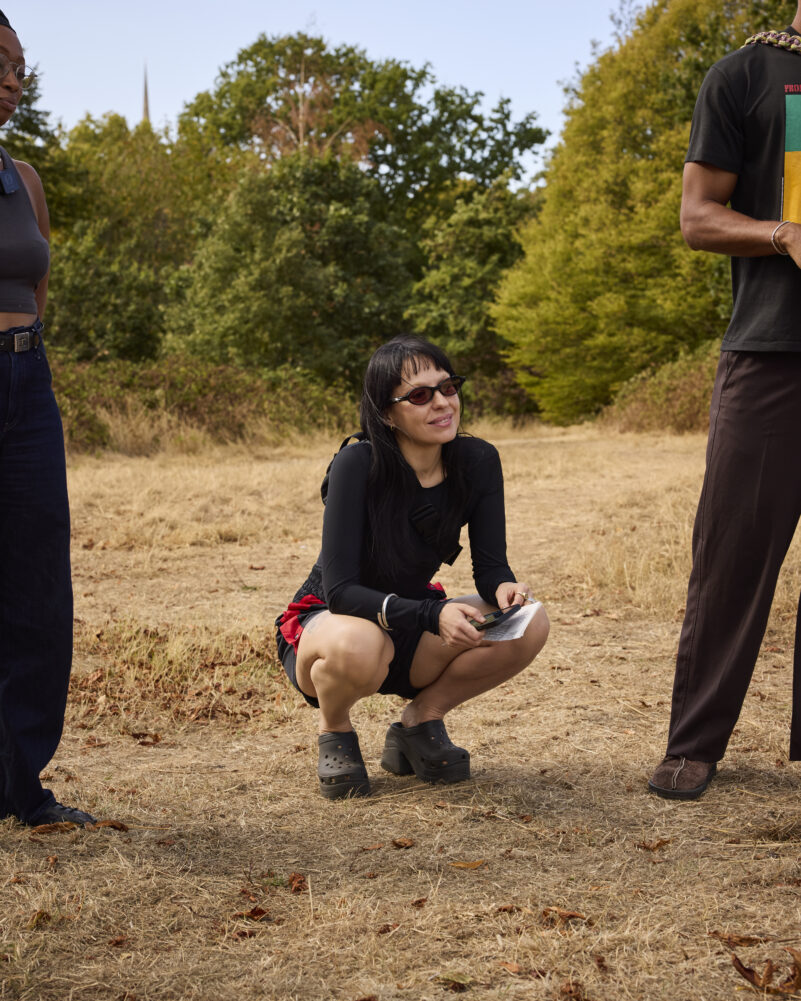
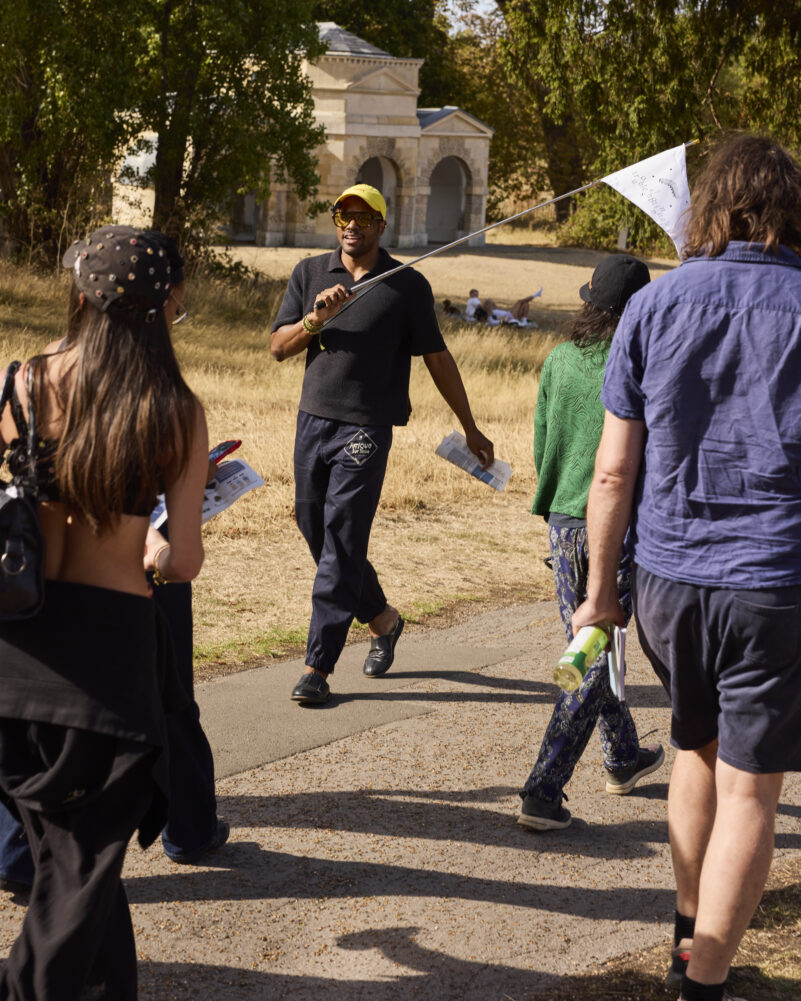
Led by interdisciplinary researchers, artists and creative technologists, each guided walk begins with items selected from the processing… archive display and moves outwards into Kensington Gardens and Hyde Park.
With materials dating back to 1975, processing… is an open and evolving archive housed in Serpentine’s Education Space. It brings together selected photographs, publications, audio recordings and other materials tracing Serpentine’s history with art and advanced technologies. These collective study sessions transform research into public encounter, offering opportunities for gathering and convening that centre embodied learning and people as active agents and producers of knowledge amidst ecosystems and infrastructures increasingly built for bots.
troubleshooting… builds on Serpentine’s approach to public practice as a way of engaging with urgent questions of our time. Drawing on Hyde Park’s history as a site for gathering, debate and free expression, as well as the Situationists’ experimental drifts (dérives), the walks use play and movement to explore wayfinding in the digital age, our increasingly mediated worldviews and the ways technology shapes how we see and move through the world. troubleshooting… supports practitioners’ ongoing research while creating space for conversation, unexpected pathways and new connections.
- Bring a water bottle and wear comfortable shoes.
- Please arrive at the Education Space at Serpentine South 15 minutes before your scheduled start time.
- Walks last approximately 45 minutes.
- Please note that there is no cloakroom.
- Please take your rubbish with you, thank you!
- For ‘Pattern Spotting 301’, please come with a fully charged mobile phone.
- Please note that walks will be recorded (audio).
Programme
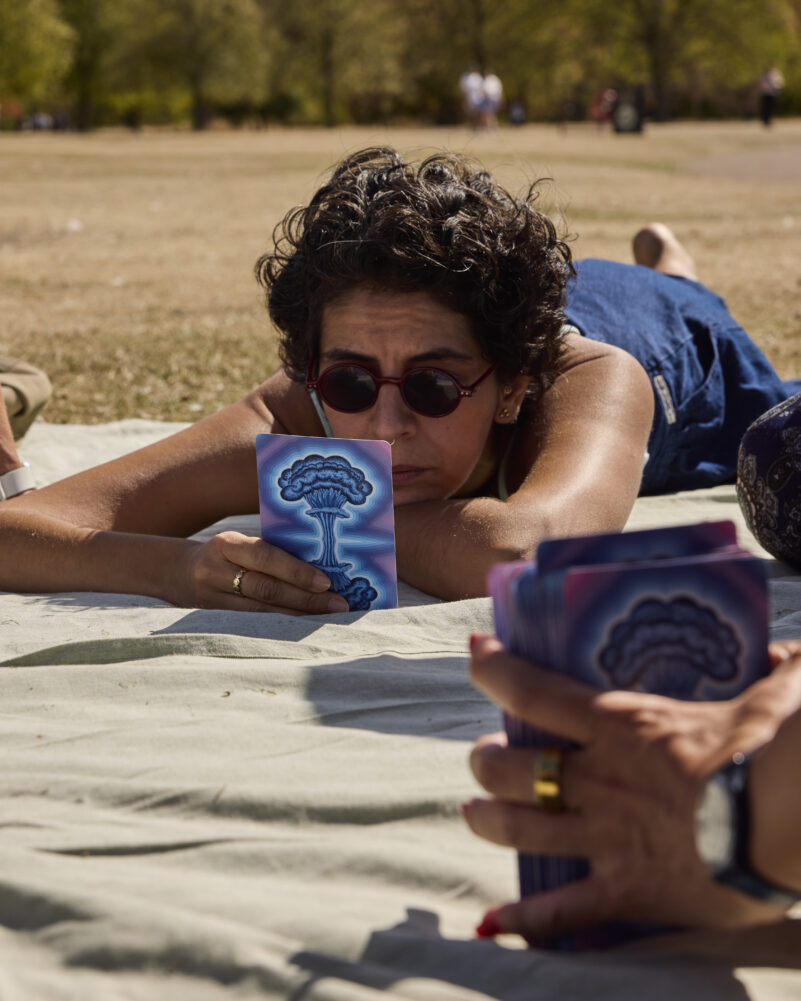
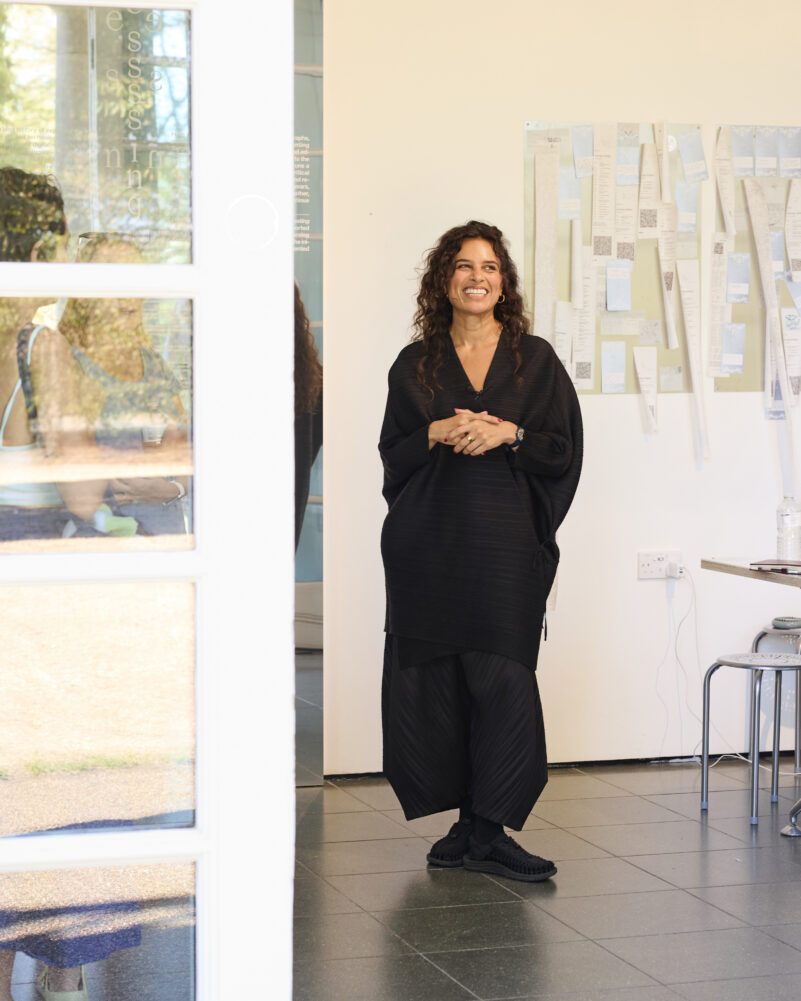
What daily rituals can we employ to restore cognitive function in a hyperconnected world? With increasingly few opportunities to spend time away from screens and networked media, psychiatrist, researcher, and artist Dr Romy Gad el Rab introduces ‘soft fascination’, a state of internal reflection or mind wandering. When experienced in nature, soft fascination has been proposed by researchers as a way of restoring depleted cognitive resources and activating the brain’s Default Mode Network (DMN). The DMN is associated with self-referential thought, memory formation and future thinking. Referencing Suzanne Treister’s HEXEN 2.0 Tarot (2012), and Ian Cheng’s mindfulness app Bad Corgi (2015), this walk invites you to collectively explore wakeful rest in a networked world, sharing thoughts and existing rituals, and discussing the challenges of finding space for reflection.
Please note: No medical advice will be offered during this walk
Can we balance our desire to be seen online with evading the increasingly calculative glare of the Internet? Design researcher Michael Kibedi leads a walking reading group exploring the tensions between online visibility and opacity, taking inspiration from multiple artefacts in the processing… archive, including Artdao’s thermal-printed browser journey receipts, Suzanne Kite’s ‘Everything I Say Is True: Poetic Bibliography’ (2021), and Jakob Kudsk Steensen’s AR tool The Deep Listener (2019). Drawing on Black feminist thought, postcolonial theory and critical internet studies, this walk considers an internet ecosystem where bot activity increasingly outnumbers human activity, and technologies reduce people to avatars that can be recalled and reanimated on demand within an infinite feed. Kibedi invites you to explore the inscrutability of technological metaphors, the transience of digital memorialisation and the fragility of internet infrastructures.
What can biology teach us about designing for emergence and the rigidity of our own imagination? Inspired by artist Ian Cheng’s ‘4 Masks’ strategy, as outlined in Emissaries Guide to Worlding (2019), which applies different logics at various stages of development to make a universe possible, curator and designer David Lisbon leads a walk through Kensington Gardens. Exploring how we might build differently, this walk draws attention to the many different layers and logics of processing around us; from plant processing (photosynthesis) to machine processing (CPUs and TPUs). Bringing together cognitive, biological, and technological processing frameworks, Pattern Spotting 301 asks how we might develop more resilient and adaptive strategies for designing our tools and systems.
Biographies
Dr Romy Gad el Rab is a psychiatrist, researcher, and artist exploring our intimate entanglements with technology. Working in the NHS to support people with problematic technology use, particularly Gaming Disorder, she combines clinical insight with interactive installation and performance to question digital addiction and the power structures behind networked systems. Her work has featured in programmes at Tate, Somerset House and Delfina Foundation, where she was a UK Associate for its 2025 thematic season, science_technology_society. A published academic and curator, she creates spaces where science, technology and art meet through conversation, research and making.
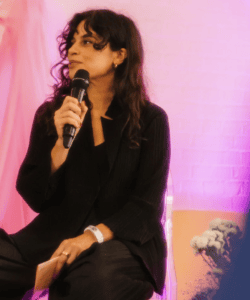
Michael Kibedi is a design researcher who writes First and Fifteenth, a newsletter featuring essays on human-computer interaction, data justice, ontology and ecology told through Black Studies and conceptual art. He is a guest lecturer for Design Futures at the Royal College of Art and regularly speaks at international conferences on digital design, ecology, futures and ontology. Kibedi has written a chapter for Digital Design for Planetary Care: The Hidden Environmental Cost of the Digital World, an interdisciplinary multi-author essay collection to be published by Bloomsbury Visual Arts in 2027.

David Lisbon currently works at the Whitney Museum of American Art. Before becoming a curator, he studied and practiced architecture in New York City. In graduate school, Lisbon wrote about surveillance in art institutions and advocated for a more transparent and democratic use of institutional data. He believes unleashing this data as art can help educate the public about how their personal information is used by third parties. After graduating from the RCA in 2021, he worked in the private sector, developing websites, digital experiences, and consulting on the production of NFTs.